TKI resistance: improving lung cancer control
- Research project
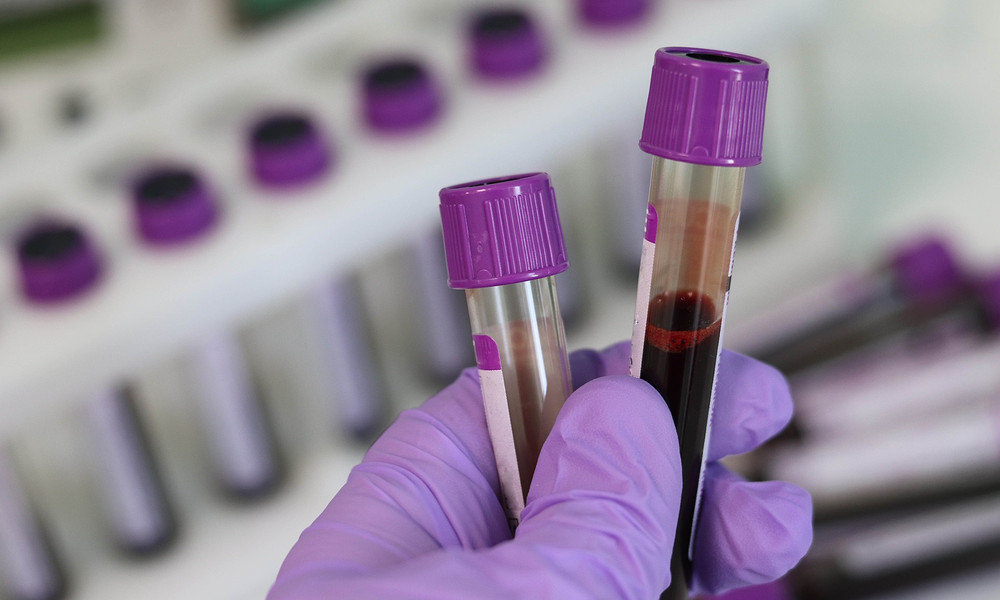
TKI therapy is a treatment for lung cancer that is often successful and has relatively few side effects. Unfortunately, tumor tissue can become resistant to this therapy. What causes this resistance and how can we prevent it?
TKI therapy is used for lung cancer caused by a mutation in the ROS1 gene. This leads to uncontrolled cell growth and, consequently, tumour growth. The tumour cells are combated with ROS1-specific tyrosine kinase inhibitors (TKIs). These TKIs inhibit the increased and continuous activity of ROS1, thereby inhibiting the cell growth of tumour cells. TKI therapy is generally very successful and causes few side effects compared to chemotherapy. However, the tumour cells can become resistant to the TKIs, causing the growth of the tumour cells to continue. The cause of this resistance varies from patient to patient, which complicates targeted treatment. Therefore, this project uses cell models to investigate which molecular processes underlie the resistance, so that a targeted treatment can be developed.

Professor Biomolecules & Health
Zernikeplein 11, 9747 AS Groningen

Lecturer-researcher
Zernikeplein 11, 9747 AS Groningen

Would you like to know more about the professorship Biomolecules & Health?
Visit the page of the professorshipHow satisfied are you with the information on this page?